Wednesday, June 12, 2013

Coco Reef Tobago: Still the number one destination in the Caribbean


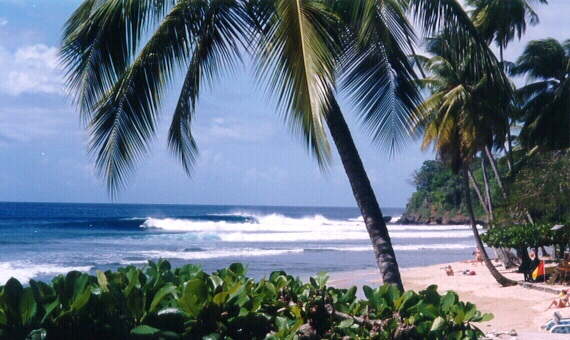
Coco Reef Resorts and Spa in Tobago recently underwent a $9 million upgrade, adding another fabulous must-try beach restaurant to its repertoire.


Image Source: destination360.com


The resort, known for its marble restrooms and 24-carat gold fittings, has been visited by thousands of people over the years, including noted celebrities such as Diana Ross, Sting, and Gladys Knight. It has won many awards, including the World Travel Award as the Caribbean’s leading hotel.


Image Source: tripadvisor.co.uk


However, despite the resort’s many awards and recognition, the resort’s owner, noted hotelier John Jefferis, still believes that, although he has spent millions of dollars in upgrades to the resort’s amenities and facilities to ensure that the guests only get the best of what the Caribbean has to offer, it is the exceptional professionalism, hospitality, and friendliness of the resort’s managers and staff that make guests keep coming back for more—and what sets Coco Reef Tobago apart from other resorts in the area.


Image Source: event1001.com


The World Travel Awards, also known as “the Oscars of the global travel and tourism industry,” only recognizes the best of the best—and the fact that Coco Reef Tobago has won seven times is a testament to the resort’s dedication to excellence.

John Jefferis is the owner of Coco Reef Resorts in Bermuda and Tobago, which have garnered multiple awards over the years. More information about Coco Reef’s amenities and rates can be found on its website.

REPOST: Top 4 reasons to visit Trinidad & Tobago

It is a known fact that Trinidad and Tobago is a gem situated in a Caribbean paradise. However, rarely do locals see their home country the same way as tourists do, which is why this article written by a Trinbagonian--who, having left her country of birth, decided to pack her bags and revisit the magical paradise that is her childhood home--is a delightful read.

 ***

Okay… It’s been over a week since I posted anything, primarily because I was so busy preparing to travel again and also because I unfortunately had a bout of writer’s block. I really did not know what to write about last week. Inspiration really evaded me AND IT SUCKED BIG TIME. But having packed my bags again and travelled to the country of my birth, my long lost friend seemed to have followed me here. So as an ode to my roots, I wanted to let you guys know why Trinidad & Tobago is such a lush and luminous place to visit. Here are the top 4 reasons:


TRINIDAD CARNIVAL

Image Source: Lushnessofluminousliving.files.wordpress.com

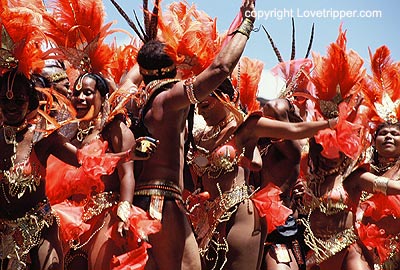
Termed the greatest show on earth, Trinidad Carnival is officially an annual non-stop party that lasts for 2 days: Carnival Monday & Carnival Tuesday in the months of February/March, but Carnival Tuesday is the day everyone waits for. Thousands of masqueraders parade across the streets of the capital, Port of Spain, in full costume, dancing in a frenzy to our native music called soca (pronounced so-kah).  However, pre-Carnival celebrations begin as far back as Christmas. From Boxing Day till Carnival Sunday, there are ceaseless parties, cultural shows & carnival musical competitions. The Carnival season is an explosion of colour, creativity, music and celebrations; it’s a time to forget your troubles, shake off the stress and have a good time. Everyone is invited!


FOOD

Image Source: Lushnessofluminousliving.files.wordpress.com

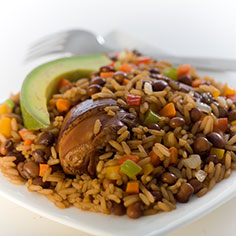
From upscale expensive restaurants to small intimate family-run cafes, you will be spoilt for choice where Trinbagonian food is concerned. One can never go hungry in this gorgeous Caribbean island. Our African ancestors brought with them stews and one-pot meals that we call Creole Food such as pelau, macaroni pie, and beef soup made with succulent chunks of meat. Our East Indian ancestors also brought with them curry. Absolutely any kind of meat can be curried and curried foods are a big part of our food culture! But, thanks to the East Indians, the 2 delicacies that separate us from all other Caribbean islands are roti and doubles. Our rotis come in many different varieties and doubles is the unofficial national breakfast comprising of yellow lentil patties filled with spicy channa or chickpeas. Delish! Another  must-have is bake-and-shark ( deep fried pieces of shark served between 2 slices of fried bake or dough & served with a wide variety of condiments) – this is a necessity after a trip to the popular Maracas Beach. But there are soo many other types of foods to try.


ADVENTURE
 
Image Source: Lushnessofluminousliving.files.wordpress.com

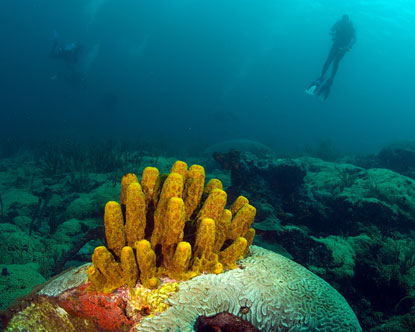
For the adventure seekers out there, we aren’t only about sandy beaches and blue seas, the options for adventure are paramount! For example, from relaxing walks through the Western Hemisphere’s oldest rainforest reserve to a challenging 6 hour trek though abandoned cocoa estates to a mountain lake, anything is possible for hikers in Tobago. The twin islands also have great bird watching sites. From the Caroni Swamp in Trinidad, protected home to the nation’s national bird, the Scarlet Ibis, to a small island called Little Tobago which is the protected habitat for all types of sea birds. Snorkelling & scuba diving are also great options for exploring and discovering Tobago’s remarkable coral gardens and coral reefs.

Image Source: Lushnessofluminousliving.files.wordpress.com

Tobago’s coastal waters are comprised of approximately 300 different species of coral including staghorn, fire coral and elkhorn. There are also a broad range of reefs, rock pillars and gardens filled with sea creatures.  Popular marine areas in Tobago such as the Buccoo Reef, Nylon Pool and Speyside Reefs offer these amazing experiences. Mountain biking, turtle watching, kayaking and goat racing are also other types of fun activities adventure seekers can try.


THE BEACH

Image Source: Lushnessofluminousliving.files.wordpress.com

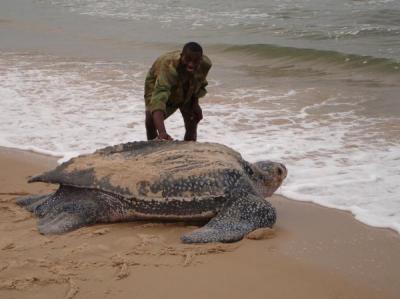
Although Trinidad is unlikely to come up among “top 10 Caribbean beaches” listings, it doesn’t mean that there aren’t many countless beaches and activities to fill in a day or weekend in Trinidad. The most popular beaches are on the North Coast; for example, Maracas Beach is the most popular beach in the north, with great food on offer and a range of facilities and amenities, and Blanchisseuse (pronounced Blanch-she-shares) is a popular weekend getaway with several hiking trails to the nearby waterfall, into the rainforest, and along the as-yet unpaved north coast. The Marianne River that flows into the bay is also great for kayaking. But dotted along the country’s coasts are other gorgeous beaches such as Grande Rivière, located in the northeast which is perfect for a weekend getaway, particularly if you like the outdoors.  Between March and August, it is the second largest leatherback turtle nesting ground in the world and is good for river bathing, kayaking and hikes into the forest. Mayaro in the south east has a glorious stretch of beach – the longest in the island – and is perfect for long walks, Vessigny Beach in the south isn’t the prettiest, but most weekends,  it becomes a venue for beach parties and excursions. And lastly, Columbus & Cedros Bays in the southwest are stunning in good weather. These pristine bays and quiet fishing villages have wonderful views of the south-western coast, and on clear days, of neighbouring Venezuela.

What’s not to love?!

More links to travel and tourism news and articles can be accessed at this Facebook page for John Jefferis.

Wednesday, January 9, 2013

REPOST: (Best in travel) Top 10 countries to visit this year

This Lonely Planet article reveals the top ten countries to visit this 2013.

Image Source: Exotismo.com

1. Sri Lanka

Battered tragically by the 2004 Boxing Day tsunami and wracked by civil war from 1983 to 2009, many areas of the country have remained off limits to even the most intrepid traveller. Now the bitter conflict is over, investment is fuelling the tourism industry, and visitor numbers are steadily increasing. Prices are affordable, and with low-cost flights from the convenient travel hub of Bangkok, Sri Lanka is emerging as one of the planet’s best-value destinations.

2. Montenegro

Nature has been prolific and creative in Montenegro, producing such iconic draws as the bewitching Bay of Kotor and the buzzy beaches along its Riviera. But be sure to pack a pair of hiking boots along with your swimsuit, for Montenegro’s beauty is no less intense in the wild and rugged interior. A new – and steadily growing – network of hiking and biking trails and improved infrastructure is making this glorious quilt of nature ever more accessible, while creating new employment for locals.

3. South Korea

Without fanfare, South Korea has quietly developed into an outdoor recreation destination with untapped potential in golfing, hiking and fishing. Though not quite undiscovered, few people outside the country know about it. That anonymity will likely fade away in 2013 as it bursts onto the world stage hosting a series of major sporting events.

Image Source: VinceAntonucci.com

4. Ecuador

Ecuador's railway network is scheduled to radically revamp in 2013 with new lines linking increasingly cosmopolitan Quito and the coastal port of Guayaquil. Tracks will also connect Ecuador’s famed 5900m-high volcano Cotopaxi and the Nariz del Diablo (Devil’s Nose), claiming the steepest (and most hair-raising) stretch of railway in the western world. Developers believe the gamble will pay off and pull in unprecedented tourist numbers.

5. Slovakia

Two decades on from the Velvet Revolution, Slovakia has galvanised to form one of the continent’s fastest-growing economies, joined the EU and ranks right up there in Google searches for bargain ski packages and stag weekends. Now the tourism industry is keen to distance the nation from being all cheap pistes and piss-ups. The image overhaul has been overdue but it’s here, and in time for the inevitable party in 2013.

6. Solomon Islands

Forget what travelling the Pacific used to be like – around the Solomon Islands it’s still that way. Forget mass-market or luxury retreats; think engaging eco-resorts, village homestays and some of the best scuba diving anywhere. In the past limited flights, difficult internal transport, a lack of infrastructure, a civil war and some particularly exotic strains of malaria all put travellers off. Today travel is much easier, the civil strife is off the radar and lately even the mosquitoes aren’t so threatening.

Image Source: BlackTomato.com

7. Iceland

Best for: Activities, off the beaten track, value for money Ask any tourist during your trip to Iceland and you’ll quickly see that everyone develops an unconditional love for the little island nation, whether it’s for the mind-bending scenery, the platefuls of delicious lamb and fish dishes, or the sincere local hospitality. The currency crash – which effectively devalued the króna by 75% – also helped make a trip much more favourable to the wallet. As the global economy starts to heal, prices are climbing once more. The spoils of Iceland are no longer a secret, but they’re still yours for the taking – and in 2013 you’ll still be well ahead of the curve.

8. Turkey

New low-cost airlines are opening up the southeast of Turkey, and excellent bus services make getting around easy. Explore the historic old towns of Mardin and Midyat, feast on fantastic food in Gaziantep and see the recently uncovered ruins of Göbekli Tepe near Sanliurfa. Experience the Turkish section of the recently inaugurated Abraham’s Path walking trail, where accommodation is in simple Kurdish homestays, a long way from the tourist buzz of the coast or Istanbul’s Old Town.

 9. Dominican Republic

In the first quarter of 2012 the Dominican Republic saw an 8.4% increase in tourism. With more airlines offering stops to the country’s eight international airports, as well as cruise ships adding the DR as a major port of call, more people are escaping to the land of sun, sand, and surf comparable to anywhere else in the Caribbean.

Image Source: NationalGeographic.com
 
10. Madagascar

After years of political instability and uncertainty, which has hampered tourism development, Madagascar might finally be the verge of recovery. Presidential elections are scheduled for 2013, which could herald a move towards greater democracy (although they have been repeatedly postponed). For visitors, the time to go is now, before the country reappears in travel agents’ windows. Be prepared to be overwhelmed: in both fauna and landscapes, the world’s fourth-biggest island is otherworldly. To those seeking a place out of the ordinary, Madagascar cannot fail to delight.


 This  Facebook page offers more information on John Jefferis and other travel-related tips.

REPOST: Top 10 Caribbean Resorts

This article from Travel Channel shares other must-visit resorts in the Caribbean.

Image Source: CruiseBite.com

Welcome to paradise. We're counting down Caribbean resorts with crystal-clear waters, powder-soft sands, sumptuous settings and world-class accommodations. These aren't your average cookie-cutter beachfront hotels either. These Caribbean hot spots rank among the most luxurious and lavish in the world.

Hyatt Regency, Aruba Resort & Casino Aruba, Netherland Antilles

Set just 15 miles off the coast of Venezuela, Aruba is the westernmost island of the Netherland Antilles. Here Spanish, Dutch and Caribbean culture blend as comfortably as your beachside cocktail. The Hyatt Regency Aruba is one of the region's premier resorts, because it has a lot of casual elegance and the staff combine that attribute with an incredible array of really fun activities.

Caneel Bay St. John, US Virgin Islands

The island of St. John is a treasure trove of tropical jungle and enticing enclaves. It was once the playpen of gazillionaire Lawrence Rockefeller, who fell in love with this lush land in the 1920s. Facilities here include 166 elegantly understated rooms, 3 restaurants, a 20,000-square-foot spa and a state-of-the-art tennis facility.

Image Source: TravelHub.com

Parrot Cay Resort & Spa Parrot Cay, Turks & Caicos Islands

Located 575 miles southeast of Miami, the 8 major islands and more than 40 keys of Turks & Caicos cover only a combined 196 square miles of sun-drenched shoreline. Stars like Paul McCartney, Demi Moore, Bruce Willis and David Copperfield have all said ahoy to this place. And unlike super-accessible mega-resorts, the exclusive 5-star Parrot Cay Resort and Spa can be reached only by small boat.

Little Dix Bay Virgin Gorda, British Virgin Islands

Set 90 miles off the coast of Puerto Rico, Virgin Gorda is 8 1/2 square miles of lush greenery and stunning crescent bays; it truly is a tropical wilderness. The huge sprawling property includes an amazing number of hiking trails and amazing snorkeling.

Beaches Turks & Caicos Resort & Spa Providenciales, Turks and Caicos

A visit to these beautiful islands will often cost you a pretty penny, but not if you stay at the Beaches Turks & Caicos Resort and Spa. Opened in 1997, this popular spot is an all-inclusive resort.

Ritz-Carlton St. Thomas St. Thomas, US Virgin Islands

St. Thomas is part of the US Virgin Islands, just east of Puerto Rico. Blessed with breathtaking views, it's no wonder this island attracts tens of thousands of visitors each year. Combining Old World Colonial charm with a tropical setting, the 152-room Ritz-Carlton St. Thomas sits on 15 acres of impeccably manicured grounds and its stately elegance attracts guests from all around the world.

Image Source: HolidayPlaces.co.uk
 
Four Seasons Resort Nevis, West Indies

The tropical island of Nevis sits a balmy 19 degrees north of the equator. While it's only separated from other islands in the West Indies by 2 miles of warm water, go there and you'll feel a world apart. One of the most remarkable aspects of the Four Seasons, Nevis, is that it has attained a 5-diamond rating. Getting a five-diamond rating from AAA is hard enough in the United States, but to get this rating on a relatively remote Caribbean island is a testament to the resort's commitment to service.

Atlantis Paradise Island, Nassau, Bahamas

Rising up majestically from the Caribbean is Atlantis, a resort based on the mythical city that sank without a trace 11,000 years ago. Along the 3 miles Cabbage Beach's sugary sand, guests can snorkel, parasail, jet-ski or just lounge to their hearts' desire. Then there is the Leap of Faith: a 60-foot drop down a Mayan temple water slide that takes you to 1 of the resort's spectacular family attractions -- the aquarium.

Sandy Lane St. James, Barbados

Fresh off a $200-million renovation, the stunning Sandy Lane is just what any Caribbean connoisseur is looking for. This 800-acre resort features an 18-hole golf course, a 7,000-square-foot pool, state-of-the-art tennis facilities and museum-quality art. In fact, Sandy Lane has become not only the premier luxury resort in Barbados, but also 1 of the premier resorts in the world.

Image Source: TripAdvisor.com

Hotel Maroma Maroma, Mexico

Thirty miles south of the crowded Mexican resort of Cancun, in the heart of the Mayan Riviera, you'll find the pristine, quiet area of Maroma. The Hotel Maroma has a mere 36 suites decked in handmade mahogany and bamboo furniture. A stay here is worth every penny.

Want to find out the best travel destinations for the summer? Visit this John Jefferis Facebook page to get the latest travel news.

Sunday, December 16, 2012

Escaping winter with Caribbean getaways


Why are the few months after the holidays a great time to hit the high seas? Some reasons may surprise many, but they make a lot of sense.

Image credit: cruisebrothers.com


Tom Parsons of Dallas News says that from the months of January to February leisure travel drops and during this slowdown, cruise and travel companies offer low rates. “Holiday, spring break, and summer cruises can cost you three times more than cruising during the slow season,” Parsons explains.

“January and February are good months to cruise, but so are September, October, and early November. After early March, rates soar for spring break; summer prices can be just as high,” he adds.

Samantha Bomkamp of the Huffington Post says that for airlines to fill empty seats, they have to run on discounted fare offers. However, travelers should know that tempting sale offers may still be expensive compared to other airlines. So travelers still need to search for the best possible offer there is. Bomkamp further notes that the slow season advantage doesn’t just end with cheap airfare; it’s also true with hotel rooms, car rentals, and tour packages. Add to those the benefit of fewer travelers, which means less crowded planes and booking time.

Caribbean’s tourist destinations

• Gordon Campbell Gray’s Carlisle Bay in Antigua

Image credit: littleluxuryislands.co.uk


• John Jefferis’s Coco Reef Resort in Bermuda

Image credit: cocoreefbermuda.com


• David Copperfield’s Musha Cay in the Bahamas

Of course, the pleasure of having any of these vacation spots to themselves is the climax of the slow season advantage to the chance-takers.

Get updates about Caribbean destinations from this Twitter page.

Thursday, December 13, 2012

Forbes: Can eco-tourism help underdeveloped countries?

How can eco-tourism help underdeveloped countries? Read this article written by Josh Lew: 


Tourism might not be the ultimate answer to poverty and economic woes, but it is a major boon for places around the world that suffer from a lack of natural resources or industry. For instance, tourism is a hugely important industry in the Caribbean. Without flocks of resort-goers, nations in this part of the world would have to rely more heavily on agriculture, leaving their economies at the mercy of the fluctuating prices of commodities like coffee, sugar and bananas.

There are plenty of valid concerns about the environmental impact of hotel construction, excessive tourist traffic and cruise ships, but it isn’t fair to leave the positive economic impact out of the mass-tourism discussion. Large resorts employ hundreds of local people, and local entrepreneurs, from taxi drivers to guides to souvenir shop owners, benefit from the tourism trade.

What about eco-tourism? Is low-impact, nature-oriented travel as viable a moneymaking option as standard resort tourism?

The eco-tourism industry’s growth depends on practicality as much as it does on the will to conserve the environment. Ultimately, success will not only be measured by the acres of forest saved, but also by the amount of money earned and the number of jobs created. The International Ecotourism Society (TIES) recognizes the human element in eco-tourism. It defines the oft-catch-phrased term “eco-tourism” as “responsible travel to natural areas that conserves the environment and improves the well-being of local people.”

Many places that are considered eco-tourism destinations have experienced varying levels of success. Here are three destinations in various parts of the world that are in different stages of development, but are seeking to answer the same question: Can we make eco-tourism into one of the most important industries in our country?

Dominica 

This island nation has turned to eco-tourism because it lacks the geography that makes other Caribbean destinations so popular among tourists seeking a warm-weather vacation. The postcard-like beach scenes of Jamaica and the Bahamas are absent from Dominica. The island has a rocky coast and, though its waters are clear and ideal for diving, it has never developed a mainstream resort industry. Proclaiming itself the Nature Island, Dominica has instead advertised its natural, undeveloped beauty. Hot springs and waterfalls, dense jungles and rugged coastline draw more adventurous travelers and nature lovers rather than the suntan-and-piña-colada crowd.

However, the number of visitors to Dominica is not substantial enough to make nature tourism the backbone of the nation’s economy. The capital city of Roseau has benefited from a recently built cruise ship terminal. However, Dominica remains one of the least visited nations in the eastern Caribbean. Banana cultivation is still a major source of income for many islanders. This industry can be harmed by weather (Hurricane Dean hit the island in 2007) and frequent price fluctuations on the international commodities market.

Brand-name resorts are difficult to find on Dominica. Most of the accommodations are small-scale, locally owned venues. Some are full-fledged eco-resorts built in natural settings and offer a full menu of nature-themed activities. So, despite the overall lack of tourism infrastructure, the tourists who do come to Dominica are seeing more of their dollars go to locals rather than to multinational resort chains.

A culture of conservation has been developed in Dominica. Local guides are involved in protecting one of the more popular tourist draws: nesting sea turtles. The giant amphibians lay their eggs on the seashore, with some choosing to use the sands of the beaches of the capital city. Specially trained local guides lead limited tours to the nesting areas so as not interfere with the nesting process. This type of grassroots effort is an example of the ability to balance a successful tourism attraction with a conservation effort. This culture of conservation is one of the reasons that Dominica remains such a promising eco-tourism destination.

The next steps will be important for Dominica in terms of maintaining this balance between development and conservation. An expanded airport and a cruise ship pier were necessary infrastructure upgrades. It remains to be seen if further infrastructure projects change the current relationship that Dominica has with its environment.

Botswana 

This nation in southern Africa does not have to rely as heavily on tourism as Dominica and its Caribbean cousins. A relatively wealthy nation with one of the highest per capita GDP in Africa, tourism is one of the main economic alternatives to the industry that has made Botswana wealthy, diamond mining. As a landlocked country without many urban areas, nature-themed tourism is the main part of the industry by default. The backbone of this would-be tourism boom is nature-viewing safaris to places like Chobe National Park, the Okavango Delta and the vast Kalahari Desert. These uninhabited, wildlife-filled lands are considered to be among the last few untouched and truly natural places on the continent.

Botswana’s government, one of the most transparent in Africa, has adopted a string of policies over the past two decades that focus both on tourism growth and on environmental protection. These policies call for the land to be used as a resource for tourism. However, they also say that the industry must be developed in a way that doesn’t harm the environment.

To limit the number of tourists while still enjoying healthy profits, Botswana has focused on developing high-end safari tourism. Tourists pay a high premium for an all-inclusive safari that offers both comfort and easy access to the wilderness. The government can control the industry and keep out mass-market safari companies because it has strict licensing guidelines for travel companies. Would-be companies are required to complete an environmental impact report as part of their application process. There is also a national eco-tourism certification program that further encourages tourism businesses to be more eco-friendly.

These policies means that fewer people are trampling through the Okavango Delta and Chobe National Park, but money is still coming in to supplement the country’s overall GDP. This high-cost/low-volume approach might not sit well with nature enthusiasts who want to visit the pristine wilds of Botswana on a budget, but the approach has kept tourist numbers down while keeping profits at an acceptable level. Perhaps the low-volume, high-cost strategy wouldn’t work in every case, but it is an option for countries that want to develop their eco-tourism industry while not harming the environment.

Suriname 

This small, unique South American nation has an ethnically diverse population and sits on the northeastern part of the continent. Most of the people here live along the Caribbean coastline. The country’s undeveloped interior is ripe for logging, but the Surinamese government, along with international conservation organizations, has decided to protect a large part of the interior from exploitation. The giant Central Suriname Nature Reserve is made up of primary forest. With the help of Conservation International, the government is trying to develop this area for tourism. Lack of infrastructure has hindered development and made it expensive to visit this area, but the reserve remains protected from logging and the government seems intent on continuing to place its bets on eco-tourism. Already operational nature preserves are found along the coastline.

A majority of the visitors to Suriname come from the Netherlands. Cultural ties from the colonial era and the fact that Dutch is still widely spoken in Suriname make this a popular alternative to the Netherlands Antilles for Dutch-speaking snowbirds. Tourism numbers are not growing quickly, and lack of infrastructure remains a major hurdle for the government’s eco-tourism plans. Still, sustainable income via eco-tourism has, for the time being, trumped immediate income from the selling of logging rights. Perhaps the example of the Central Suriname Nature Reserve could help persuade other countries with natural areas to follow a similar strategy.

Eco-tourism development is a complex issue that goes well beyond catchphrases and well-meaning attempts at conservation. Without a solid, universal model for creating a balance between a successful eco-tourism industry and a successful conservation movement, countries are left to find a system that works best for themselves. The ideal results of these efforts would be a balanced industry that brings profits to the local economy while strengthening conservation efforts that will keep the natural attractions intact.

Source: Forbes.com

Thursday, December 6, 2012

John Jefferis: A hotelier's philanthropy


Image credit: mixtkids.com


Behind a corporate façade driven by a hectic work schedule and frenzied entrepreneurial pursuits, John Jefferis is naturally altruistic, never failing to set aside a part of his time and resources to help out the less fortunate. Unknown to many, the highly esteemed hotelier is actually an active philanthropist.

All the way through his work life, Mr. Jefferis has been passionately supporting several charities in the territories wherein he operates. Back in 1983, he obtained sponsorship for the Bermuda Marathon Derby, successfully raising nearly $50,000 to cover for the expenses for the emergent brain surgery of a 10-year old Bermudan boy.


Image credit: bermudabiographies.bm


He has also contributed for causes that greatly benefit the elderly. In 1998, he was able to raise over $30,000 for the Packwood Home, a skilled nursing home that provides long-term care for seniors who are chronically ill, have functional disability, and have limited potential. John Jefferis was able to accomplish this by arranging a sponsored cruise featuring Miss World contestants.

More recently, Mr. Jefferis has focused his philanthropy on cultural, livelihood, and educational endeavors. He has sponsored opera performances in Bermuda, bringing in several star singers from the United States. He has been an active backer of “Tourism Helps Everyone,” a registered charity. He has also supported a number of charitable causes with divergent thrusts, some of which include police youth clubs, education projects, and help for disadvantaged individuals.


Image credit: thenewphilanthropy.wordpress.com


For more updates on John Jefferis, visit this Facebook page.