Showing posts with label tourism in underdeveloped countries. Show all posts

Wednesday, June 12, 2013

REPOST: Top 4 reasons to visit Trinidad & Tobago

It is a known fact that Trinidad and Tobago is a gem situated in a Caribbean paradise. However, rarely do locals see their home country the same way as tourists do, which is why this article written by a Trinbagonian--who, having left her country of birth, decided to pack her bags and revisit the magical paradise that is her childhood home--is a delightful read.

 ***

Okay… It’s been over a week since I posted anything, primarily because I was so busy preparing to travel again and also because I unfortunately had a bout of writer’s block. I really did not know what to write about last week. Inspiration really evaded me AND IT SUCKED BIG TIME. But having packed my bags again and travelled to the country of my birth, my long lost friend seemed to have followed me here. So as an ode to my roots, I wanted to let you guys know why Trinidad & Tobago is such a lush and luminous place to visit. Here are the top 4 reasons:


TRINIDAD CARNIVAL

Image Source: Lushnessofluminousliving.files.wordpress.com

Termed the greatest show on earth, Trinidad Carnival is officially an annual non-stop party that lasts for 2 days: Carnival Monday & Carnival Tuesday in the months of February/March, but Carnival Tuesday is the day everyone waits for. Thousands of masqueraders parade across the streets of the capital, Port of Spain, in full costume, dancing in a frenzy to our native music called soca (pronounced so-kah).  However, pre-Carnival celebrations begin as far back as Christmas. From Boxing Day till Carnival Sunday, there are ceaseless parties, cultural shows & carnival musical competitions. The Carnival season is an explosion of colour, creativity, music and celebrations; it’s a time to forget your troubles, shake off the stress and have a good time. Everyone is invited!


FOOD

Image Source: Lushnessofluminousliving.files.wordpress.com

From upscale expensive restaurants to small intimate family-run cafes, you will be spoilt for choice where Trinbagonian food is concerned. One can never go hungry in this gorgeous Caribbean island. Our African ancestors brought with them stews and one-pot meals that we call Creole Food such as pelau, macaroni pie, and beef soup made with succulent chunks of meat. Our East Indian ancestors also brought with them curry. Absolutely any kind of meat can be curried and curried foods are a big part of our food culture! But, thanks to the East Indians, the 2 delicacies that separate us from all other Caribbean islands are roti and doubles. Our rotis come in many different varieties and doubles is the unofficial national breakfast comprising of yellow lentil patties filled with spicy channa or chickpeas. Delish! Another  must-have is bake-and-shark ( deep fried pieces of shark served between 2 slices of fried bake or dough & served with a wide variety of condiments) – this is a necessity after a trip to the popular Maracas Beach. But there are soo many other types of foods to try.


ADVENTURE
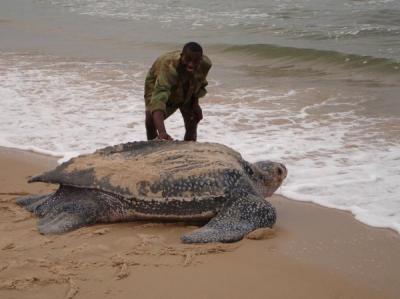
 
Image Source: Lushnessofluminousliving.files.wordpress.com

For the adventure seekers out there, we aren’t only about sandy beaches and blue seas, the options for adventure are paramount! For example, from relaxing walks through the Western Hemisphere’s oldest rainforest reserve to a challenging 6 hour trek though abandoned cocoa estates to a mountain lake, anything is possible for hikers in Tobago. The twin islands also have great bird watching sites. From the Caroni Swamp in Trinidad, protected home to the nation’s national bird, the Scarlet Ibis, to a small island called Little Tobago which is the protected habitat for all types of sea birds. Snorkelling & scuba diving are also great options for exploring and discovering Tobago’s remarkable coral gardens and coral reefs.
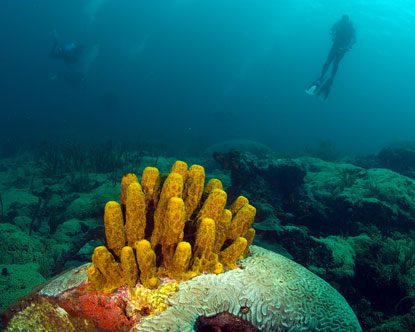
Image Source: Lushnessofluminousliving.files.wordpress.com

Tobago’s coastal waters are comprised of approximately 300 different species of coral including staghorn, fire coral and elkhorn. There are also a broad range of reefs, rock pillars and gardens filled with sea creatures.  Popular marine areas in Tobago such as the Buccoo Reef, Nylon Pool and Speyside Reefs offer these amazing experiences. Mountain biking, turtle watching, kayaking and goat racing are also other types of fun activities adventure seekers can try.


THE BEACH
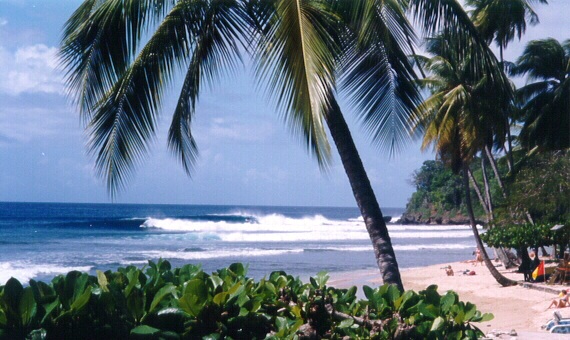
Image Source: Lushnessofluminousliving.files.wordpress.com

Although Trinidad is unlikely to come up among “top 10 Caribbean beaches” listings, it doesn’t mean that there aren’t many countless beaches and activities to fill in a day or weekend in Trinidad. The most popular beaches are on the North Coast; for example, Maracas Beach is the most popular beach in the north, with great food on offer and a range of facilities and amenities, and Blanchisseuse (pronounced Blanch-she-shares) is a popular weekend getaway with several hiking trails to the nearby waterfall, into the rainforest, and along the as-yet unpaved north coast. The Marianne River that flows into the bay is also great for kayaking. But dotted along the country’s coasts are other gorgeous beaches such as Grande Rivière, located in the northeast which is perfect for a weekend getaway, particularly if you like the outdoors.  Between March and August, it is the second largest leatherback turtle nesting ground in the world and is good for river bathing, kayaking and hikes into the forest. Mayaro in the south east has a glorious stretch of beach – the longest in the island – and is perfect for long walks, Vessigny Beach in the south isn’t the prettiest, but most weekends,  it becomes a venue for beach parties and excursions. And lastly, Columbus & Cedros Bays in the southwest are stunning in good weather. These pristine bays and quiet fishing villages have wonderful views of the south-western coast, and on clear days, of neighbouring Venezuela.

What’s not to love?!

More links to travel and tourism news and articles can be accessed at this Facebook page for John Jefferis.

Thursday, December 13, 2012

Forbes: Can eco-tourism help underdeveloped countries?

How can eco-tourism help underdeveloped countries? Read this article written by Josh Lew


Tourism might not be the ultimate answer to poverty and economic woes, but it is a major boon for places around the world that suffer from a lack of natural resources or industry. For instance, tourism is a hugely important industry in the Caribbean. Without flocks of resort-goers, nations in this part of the world would have to rely more heavily on agriculture, leaving their economies at the mercy of the fluctuating prices of commodities like coffee, sugar and bananas.

There are plenty of valid concerns about the environmental impact of hotel construction, excessive tourist traffic and cruise ships, but it isn’t fair to leave the positive economic impact out of the mass-tourism discussion. Large resorts employ hundreds of local people, and local entrepreneurs, from taxi drivers to guides to souvenir shop owners, benefit from the tourism trade.

What about eco-tourism? Is low-impact, nature-oriented travel as viable a moneymaking option as standard resort tourism?

The eco-tourism industry’s growth depends on practicality as much as it does on the will to conserve the environment. Ultimately, success will not only be measured by the acres of forest saved, but also by the amount of money earned and the number of jobs created. The International Ecotourism Society (TIES) recognizes the human element in eco-tourism. It defines the oft-catch-phrased term “eco-tourism” as “responsible travel to natural areas that conserves the environment and improves the well-being of local people.”

Many places that are considered eco-tourism destinations have experienced varying levels of success. Here are three destinations in various parts of the world that are in different stages of development, but are seeking to answer the same question: Can we make eco-tourism into one of the most important industries in our country?

Dominica 

This island nation has turned to eco-tourism because it lacks the geography that makes other Caribbean destinations so popular among tourists seeking a warm-weather vacation. The postcard-like beach scenes of Jamaica and the Bahamas are absent from Dominica. The island has a rocky coast and, though its waters are clear and ideal for diving, it has never developed a mainstream resort industry. Proclaiming itself the Nature Island, Dominica has instead advertised its natural, undeveloped beauty. Hot springs and waterfalls, dense jungles and rugged coastline draw more adventurous travelers and nature lovers rather than the suntan-and-piña-colada crowd.

However, the number of visitors to Dominica is not substantial enough to make nature tourism the backbone of the nation’s economy. The capital city of Roseau has benefited from a recently built cruise ship terminal. However, Dominica remains one of the least visited nations in the eastern Caribbean. Banana cultivation is still a major source of income for many islanders. This industry can be harmed by weather (Hurricane Dean hit the island in 2007) and frequent price fluctuations on the international commodities market.

Brand-name resorts are difficult to find on Dominica. Most of the accommodations are small-scale, locally owned venues. Some are full-fledged eco-resorts built in natural settings and offer a full menu of nature-themed activities. So, despite the overall lack of tourism infrastructure, the tourists who do come to Dominica are seeing more of their dollars go to locals rather than to multinational resort chains.

A culture of conservation has been developed in Dominica. Local guides are involved in protecting one of the more popular tourist draws: nesting sea turtles. The giant amphibians lay their eggs on the seashore, with some choosing to use the sands of the beaches of the capital city. Specially trained local guides lead limited tours to the nesting areas so as not interfere with the nesting process. This type of grassroots effort is an example of the ability to balance a successful tourism attraction with a conservation effort. This culture of conservation is one of the reasons that Dominica remains such a promising eco-tourism destination.

The next steps will be important for Dominica in terms of maintaining this balance between development and conservation. An expanded airport and a cruise ship pier were necessary infrastructure upgrades. It remains to be seen if further infrastructure projects change the current relationship that Dominica has with its environment.

Botswana 

This nation in southern Africa does not have to rely as heavily on tourism as Dominica and its Caribbean cousins. A relatively wealthy nation with one of the highest per capita GDP in Africa, tourism is one of the main economic alternatives to the industry that has made Botswana wealthy, diamond mining. As a landlocked country without many urban areas, nature-themed tourism is the main part of the industry by default. The backbone of this would-be tourism boom is nature-viewing safaris to places like Chobe National Park, the Okavango Delta and the vast Kalahari Desert. These uninhabited, wildlife-filled lands are considered to be among the last few untouched and truly natural places on the continent.

Botswana’s government, one of the most transparent in Africa, has adopted a string of policies over the past two decades that focus both on tourism growth and on environmental protection. These policies call for the land to be used as a resource for tourism. However, they also say that the industry must be developed in a way that doesn’t harm the environment.

To limit the number of tourists while still enjoying healthy profits, Botswana has focused on developing high-end safari tourism. Tourists pay a high premium for an all-inclusive safari that offers both comfort and easy access to the wilderness. The government can control the industry and keep out mass-market safari companies because it has strict licensing guidelines for travel companies. Would-be companies are required to complete an environmental impact report as part of their application process. There is also a national eco-tourism certification program that further encourages tourism businesses to be more eco-friendly.

These policies means that fewer people are trampling through the Okavango Delta and Chobe National Park, but money is still coming in to supplement the country’s overall GDP. This high-cost/low-volume approach might not sit well with nature enthusiasts who want to visit the pristine wilds of Botswana on a budget, but the approach has kept tourist numbers down while keeping profits at an acceptable level. Perhaps the low-volume, high-cost strategy wouldn’t work in every case, but it is an option for countries that want to develop their eco-tourism industry while not harming the environment.

Suriname 

This small, unique South American nation has an ethnically diverse population and sits on the northeastern part of the continent. Most of the people here live along the Caribbean coastline. The country’s undeveloped interior is ripe for logging, but the Surinamese government, along with international conservation organizations, has decided to protect a large part of the interior from exploitation. The giant Central Suriname Nature Reserve is made up of primary forest. With the help of Conservation International, the government is trying to develop this area for tourism. Lack of infrastructure has hindered development and made it expensive to visit this area, but the reserve remains protected from logging and the government seems intent on continuing to place its bets on eco-tourism. Already operational nature preserves are found along the coastline.

A majority of the visitors to Suriname come from the Netherlands. Cultural ties from the colonial era and the fact that Dutch is still widely spoken in Suriname make this a popular alternative to the Netherlands Antilles for Dutch-speaking snowbirds. Tourism numbers are not growing quickly, and lack of infrastructure remains a major hurdle for the government’s eco-tourism plans. Still, sustainable income via eco-tourism has, for the time being, trumped immediate income from the selling of logging rights. Perhaps the example of the Central Suriname Nature Reserve could help persuade other countries with natural areas to follow a similar strategy.

Eco-tourism development is a complex issue that goes well beyond catchphrases and well-meaning attempts at conservation. Without a solid, universal model for creating a balance between a successful eco-tourism industry and a successful conservation movement, countries are left to find a system that works best for themselves. The ideal results of these efforts would be a balanced industry that brings profits to the local economy while strengthening conservation efforts that will keep the natural attractions intact.

Source: Forbes.com